
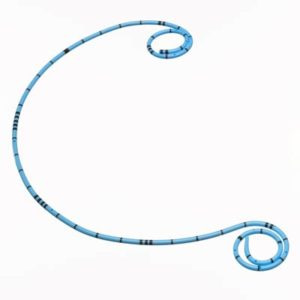
Lithotripsy accessories
Premium instruments for efficient and convenient stone removal
Application:
Calcium stones: Stones that form due to elevated levels of calcium, uric acid or oxalate (a chemical found in plants and animals). These are the most common.
Uric acid stones: Stones that form from a high-protein diet or not drinking enough water.
Struvite stones: Stones that form from frequent urinary tract infections (UTIs).
Cystine stones: Stones that form from elevated levels of the amino acid cystine.
WhatsApp us for immediate assistance
Key features:
Shockwave lithotripsy: High energy shockwaves are used to break the ureteral stones, making them easier to move through the ureter.
Ureteroscopy: A small tube is inserted into your urethra and moved through the bladder and into the ureter. The tube includes a laser that breaks up your ureteral stones so they can move through the ureter and into the bladder.
Percutaneous nephrolithotomy: If your ureteral stones are too large or there are too many of them, your doctor may consider percutaneous nephrolithotomy. This is when a small tube is inserted into the ureter through a small incision and removes the stones through suction.
Ureteral stone risk factors
Ureteral stones can form in anyone, yet they are more common in white men or people assigned male at birth between the ages of 40 and 60. Dehydration or not drinking enough water are the most common causes of ureteral stones.
Other factors that increase the risk of developing ureteral stones include:
Eating a diet high in spinach, nuts, chocolate, tea, salt and animal proteins.
Having a family or personal history of kidney stones.
Being diagnosed with conditions such as gout, UTIs, kidney disease, diabetes or hypothyroidism.
Having a high body mass index (BMI) or obesity.
Taking medications such as diuretics, antacids with calcium and antibiotics.
Living in a hot climate where dehydration is more likely due to increased sweating.
Drinking enough water and making changes to your diet can decrease your risk and help with preventing ureteral stones.
Ureteral stone symptoms
Ureteral stone symptoms are very similar to those experienced with kidney stones. In most cases, ureteral stones will pass through the urinary system on their own and not cause any symptoms.
However, sometimes these stones can get stuck in the ureters and block them, causing symptoms such as:
Pain that travels to the lower abdomen
Intermittent pain in your back below the rib cage
Nausea and vomiting
Blood in your urine
Pain or burning when you pee
Frequent and sudden urge to go to the bathroom
Not being able to fully empty your bladder
Cloudy urine
In most cases, smaller stones will pass within one to two weeks. Once it reaches the bladder, it typically passes in a few days. However, if you are experiencing severe pain or any of the above symptoms, schedule an appointment with your provider.
Diagnosis of ureteral stones
Your provider will perform a physical examination, ask about your symptoms and perform a urinalysis. Your provider may also order blood tests to check kidney function and levels of electrolytes, uric acid and calcium.
Other tests your provider may perform include:
CT scan
Ultrasound
X-rays
Digital imaging tests may help your urologist see the shape, size and location of your ureteral stones to provide the proper treatment.
Ureteral stone treatment
Treatment is aimed at ureteral stone removal. Non-surgical ureteral stone treatment options your provider may recommended could be simple such as taking prescription diuretics and making lifestyle changes.
Your Advocate urologist may recommend minimally invasive surgical procedures such as:
Shockwave lithotripsy: High energy shockwaves are used to break the ureteral stones, making them easier to move through the ureter.
Ureteroscopy: A small tube is inserted into your urethra and moved through the bladder and into the ureter. The tube includes a laser that breaks up your ureteral stones so they can move through the ureter and into the bladder.
Percutaneous nephrolithotomy: If your ureteral stones are too large or there are too many of them, your doctor may consider percutaneous nephrolithotomy. This is when a small tube is inserted into the ureter through a small incision and removes the stones through suction.


Explore More Products

Cystoscope
Cystoscope
Cystoscope
Cystoscope
Cystoscope